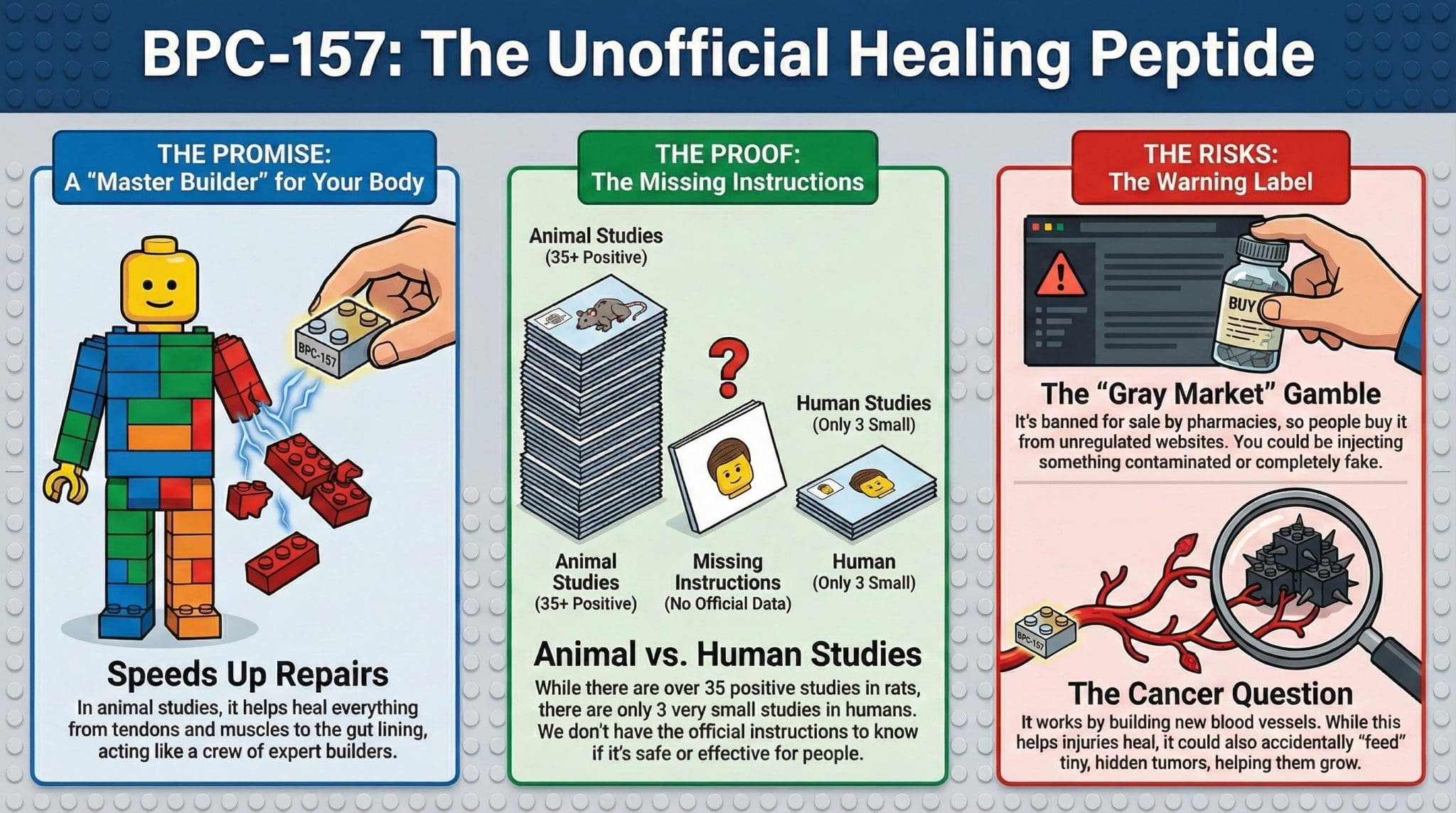
bpc-157 peptide benefits research Explained: Potential Benefits, Risks, and What We Actually Know BPC- 157 has become one of the most talked-about peptides in sports medicine, biohacking, injury recovery, and longevity circles. But does the science BPC-157 Peptide Therapy: What the
Description
Vitamin B12 is a vital nutrient essential for red blood cell formation, nerve function, DNA synthesis, and energy production
Similarly, higher vitamin B12 intake from foods, including supplements, could be associated with cancer

Essential B Vitamins for MTHFR B9 (Folate) Form: 5-MTHF (methylfolate), NOT folic acid Dose: 400-800mcg daily minimum (up to 5mg for some conditions) Why: Bypasses MTHFR enzyme bottleneck Look for: Quatrefolic, Metafolin, or L-5-MTHF on labels B12 (Cobalamin) Form: Methylcobalamin OR hydroxocobalamin (avoid cyanocobalamin) Dose: 500-1000mcg daily minimum (up to 5000mcg for deficiency) Why: Essential cofactor for methylation, lowers homocysteine Choose methylcobalamin for: Direct methylation support Choose hydroxocobalamin for: Sensitive individuals, histamine issues B6 (Pyridoxine) Form: P5P (pyridoxal-5-phosphate), the active form Dose: 5-50mg daily, but will be highly individualised Why: Supports transsulfuration pathway, prevents homocysteine buildup Avoid: Regular pyridoxine HCl (requires conversion) B2 (Riboflavin) Form: Riboflavin or riboflavin-5-phosphate Dose: 10-100mg daily (higher doses for C677T homozygous) Why: Required cofactor for MTHFR enzyme function Benefit: Can improve MTHFR enzyme efficiency up to 50% Supporting Nutrients Magnesium Zinc Choline or TMG (Betaine) How to Choose a B12 Supplement for MTHFR Look for methylcobalamin or hydroxocobalamin Avoid cyanocobalamin Check for fillers or artificial folic acid Sublingual/ spray forms often absorb better Frequently Asked Questions About B12 and MTHFR Which form of B12 is best for MTHFR
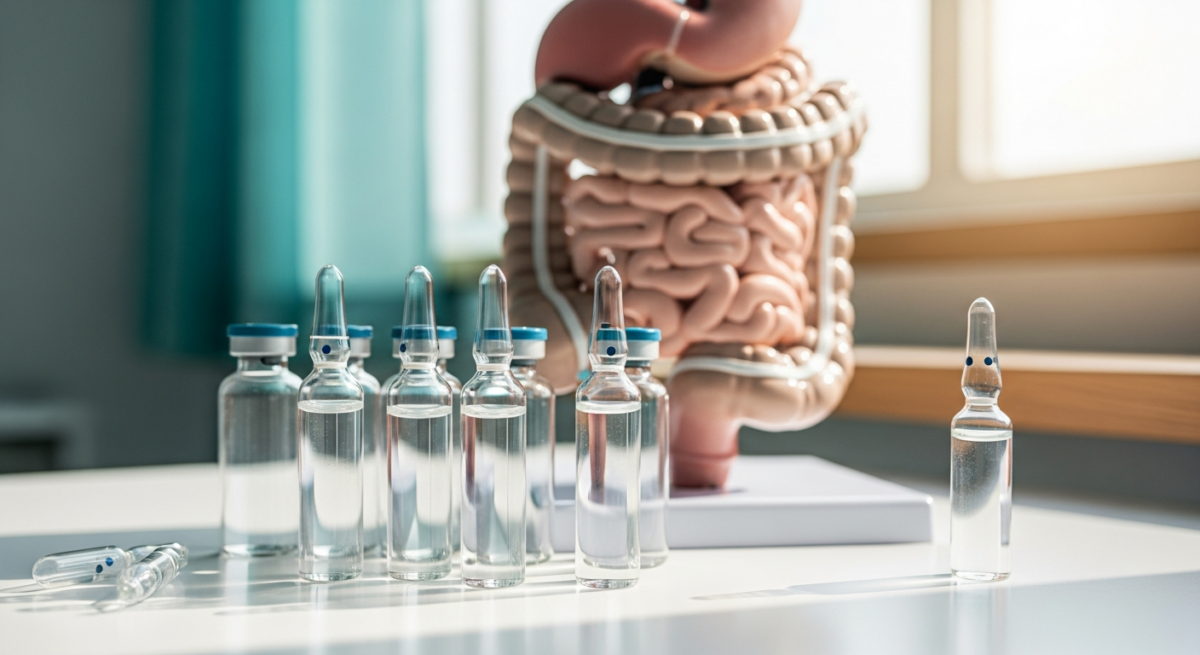
If you see any cloudiness, discoloration, or floating particles, the peptide may be compromised