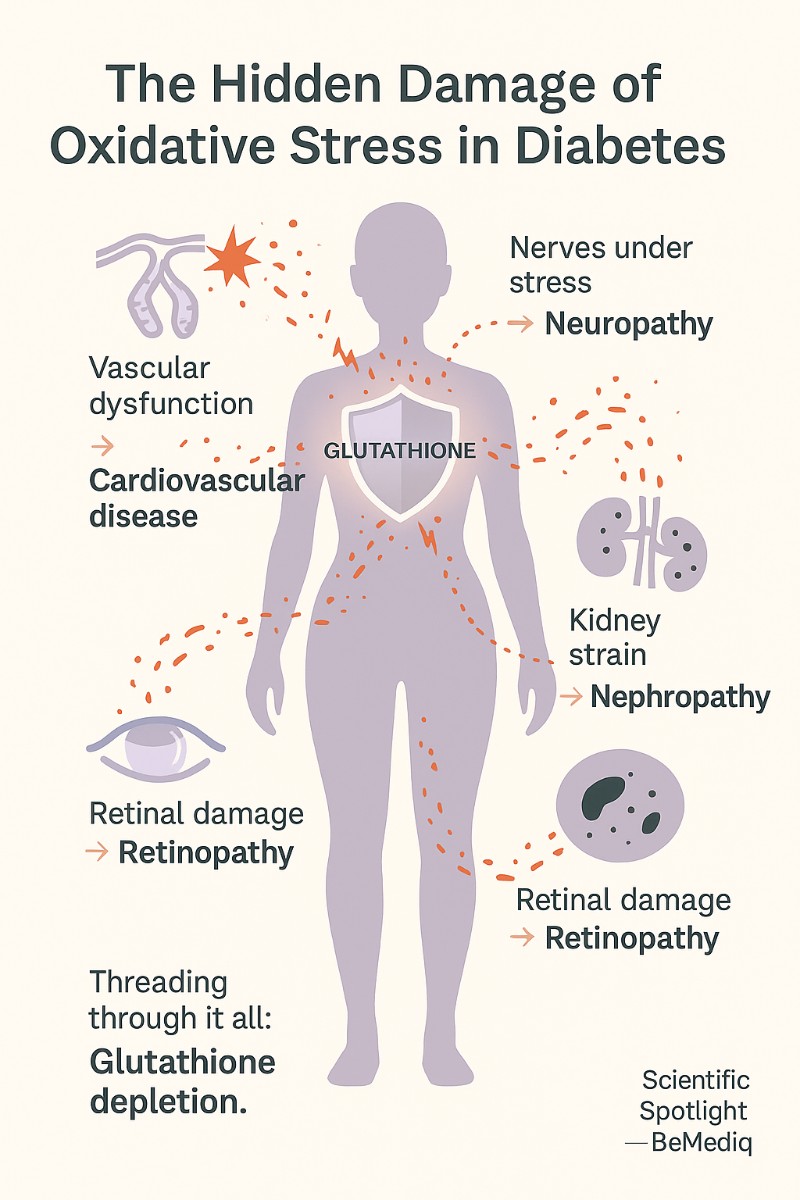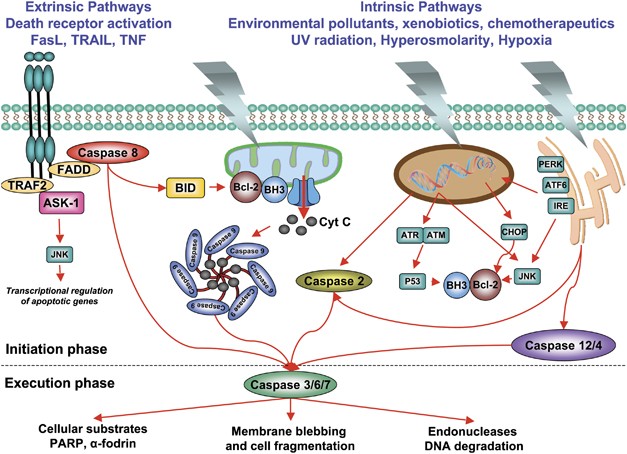
glutathione depletion and oxidative stress Apoptosis glutathione: beyond an antioxidant Glutathione IV Benefits for Athletes:
Description
The loss of cells may begin years before diabetes is detected, and in some cases children with type 1 disease have a short remission of symptoms during the early stages of the disorder

Factors that accelerate expiration Temperature fluctuations: Repeated freeze-thaw cycles very damaging Each thaw = period of degradation One freeze-thaw: Minor impact Multiple cycles: Significant loss of potency Keep frozen continuously until ready to reconstitute Light exposure: UV and visible light degrade peptides Some peptides more photosensitive (GHK-Cu) Amber vials protect partially Keep vials in boxes or dark storage Air exposure: Oxygen causes oxidation Minimize time vial is open Don't store without cap Use quickly after reconstitution Moisture exposure (for powder): Even atmospheric humidity can start degradation Keep in sealed vials always Don't open unnecessarily Store in dry environment Contamination: Non-sterile technique introduces bacteria Bacterial enzymes destroy peptides rapidly Always use alcohol wipes Never touch rubber stopper Use bacteriostatic water to inhibit growth pH extremes: Some peptides unstable at wrong pH Reconstitute with appropriate solution Bacteriostatic water usually optimal (slightly acidic) Don't mix with other substances without knowledge Shelf life before reconstitution (lyophilized powder) How long dry peptides last in different conditions
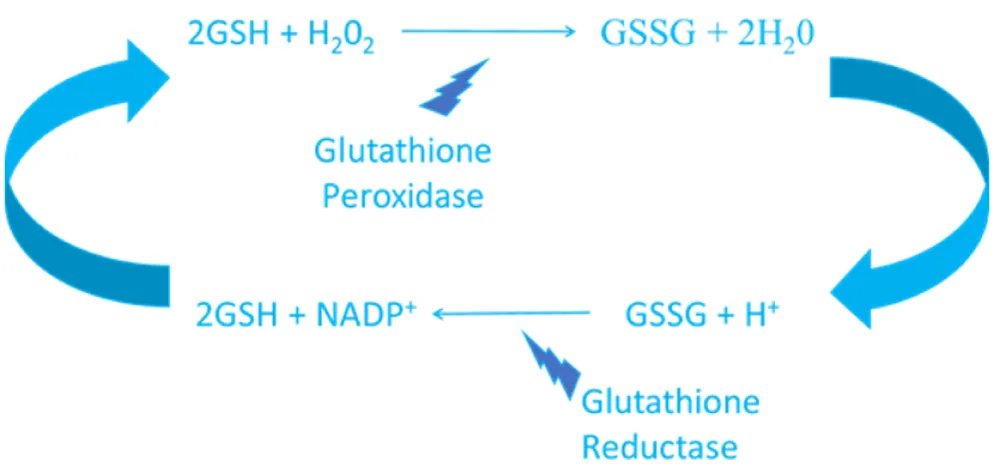
Heres how it works step by step: A healthcare professional inserts a small IV needle into your vein The glutathione solution flows slowly into your body Your cells absorb glutathione immediately The antioxidant starts working at a cellular level Key Benefits of Glutathione IV Therapy There are many glutathione benefits , which is why this therapy is so popular worldwide

A., Bohl J., et al., Gastric Alphasynuclein Immunoreactive Inclusions in Meissner's and Auerbach's Plexuses in Cases Staged for Parkinson's Diseaserelated Brain Pathology, Neuroscience Letters 396, no