FREE SHIPPING ON ORDERS OVER $150

bpc 157 dopamine Akathisia is caused by drug-induced receptor blockade, usually in the striatum. A gut-produced peptide called BPC-157 often used for injuries has been recognised to reverse D receptor blockade, and repair dopaminergic Stable Gastric Pentadecapeptide BPC 157

$28.36

Quantity
- +
Description

\n\n\n\n BPC-157 Crohns Disease and Ulcerative Colitis Research \n\n\n\n Research into inflammatory bowel disease models has been among the most actively pursued areas of BPC-157 science
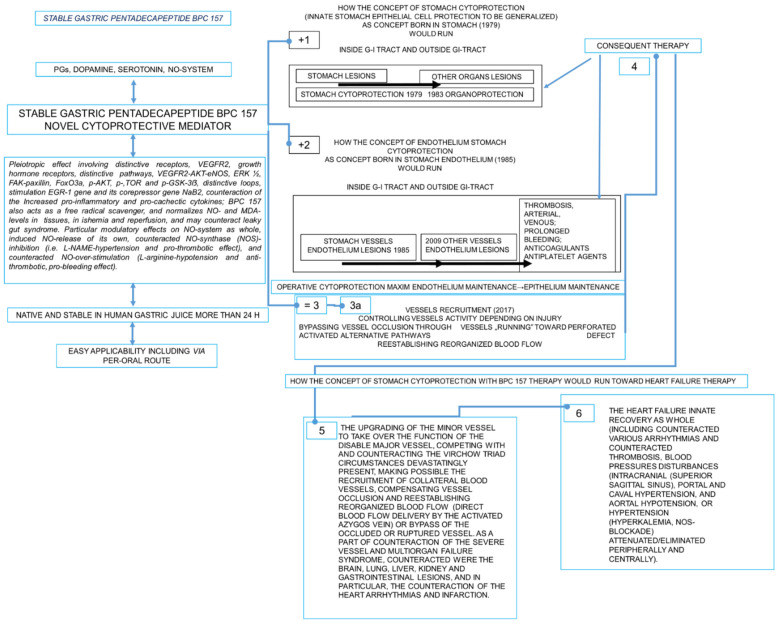
bpc 157 dopamine Akathisia is caused by drug-induced receptor blockade, usually in the striatum. A gut-produced peptide called BPC-157 often used for injuries has been recognised to reverse D receptor blockade, and repair dopaminergic Stable Gastric Pentadecapeptide BPC 157

Animal studies demonstrate that BPC-157 administration following induced injury results in measurably lower inflammatory marker levels compared to untreated control groups

bpc 157 dopamine Akathisia is caused by drug-induced receptor blockade, usually in the striatum. A gut-produced peptide called BPC-157 often used for injuries has been recognised to reverse D receptor blockade, and repair dopaminergic Stable Gastric Pentadecapeptide BPC 157

This is the most frequent effect and is the body's normal response to a small puncture

bpc 157 dopamine Akathisia is caused by drug-induced receptor blockade, usually in the striatum. A gut-produced peptide called BPC-157 often used for injuries has been recognised to reverse D receptor blockade, and repair dopaminergic Stable Gastric Pentadecapeptide BPC 157

CJC-1295 A growth hormone-releasing hormone (GHRH) analog that stimulates natural growth hormone production
bpc 157 dopamine Akathisia is caused by drug-induced receptor blockade, usually in the striatum. A gut-produced peptide called BPC-157 often used for injuries has been recognised to reverse D receptor blockade, and repair dopaminergic Stable Gastric Pentadecapeptide BPC 157

You may also like

recommand products