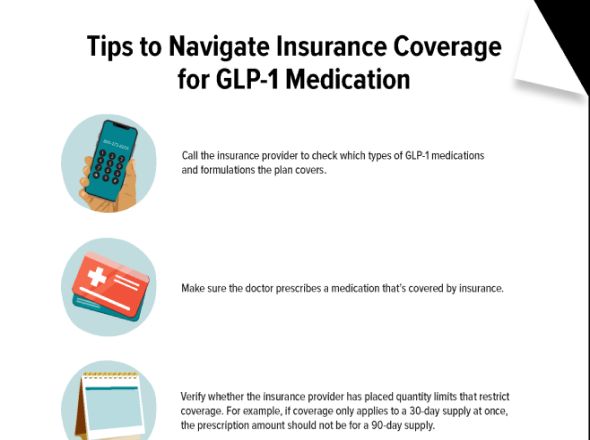
insurance changes to glp-1 drugs Navigating for Medication: Visual Guide GLP-1 Trends: Costs & Coverage
Description
doi: 10.1038/s41591-022-02026-4

When evaluating a patient for DGp, it is important to tease out various upper, and lower GI symptoms with a detailed medical history and to exclude other common diseases with similar manifestations

6.1 Insulin therapy Absolute insulin deficiency is the main characteristic of PDM that makes insulin replacement the foundation of its treatment ( 6.1.1 Principles of insulin therapy The most flexible option from a physiological point of view is the basal-bolus regimen, which comprises basal insulins of long-acting formulations such as glargine and degludec, and rapid-acting insulins at meal-time

In contrast, insulin primarily affects fasting glucose levels with minimal influence on post meal glucose levels and no relation to gastric emptying ( The improved regulation of glycemia by GLP-1RA, along with their ability to reduce lipid synthesis, enhanced beta oxidation of free fatty acids and autophagy of fat cells contributes to their lipid modulation properties ( Oral semaglutide has been found to improve fasting blood glucose levels in a trial conducted over a 12 week period with improved levels of triglycerides, very low-density lipoprotein (VLDL), low- density lipoprotein (LDL) and apolipoprotein B48 (ApoB48) and no change in high density lipoprotein (HDL) ( 4.5 Musculoskeletal effects T2DM raises the risk of fractures, poor bone repair, and other factors that lead to brittle bones ( A study that investigated the effects of insulin and GLP-1RAs (exenatide and dulaglutide) on BMD over a 52-week duration gathered 70 individuals with type 2 diabetes


